Rebuilding Morning Productivity: Small Changes at the Kitchen Counter
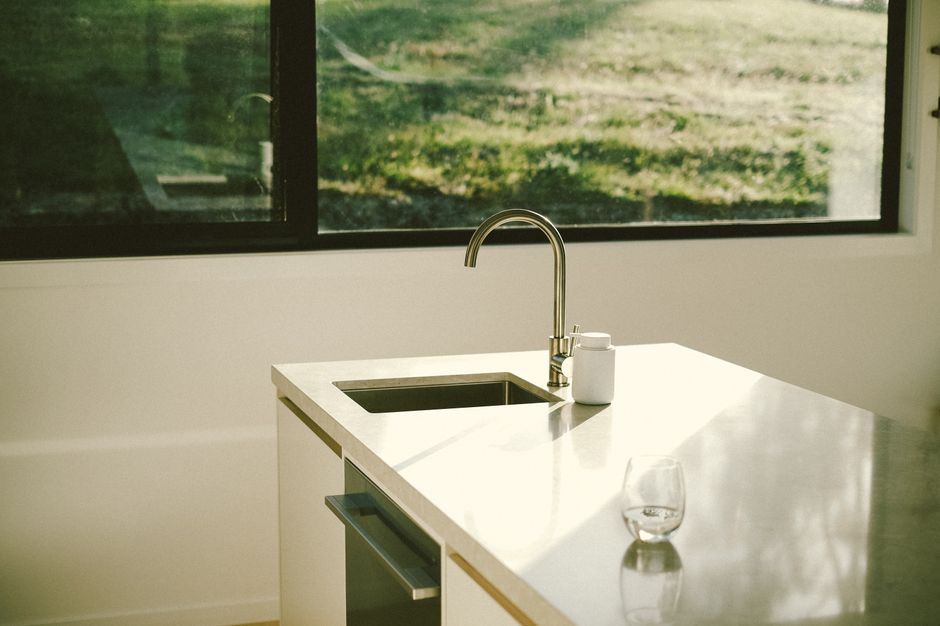
At the kitchen counter, the clock ticks closer to the start of another ordinary weekday. A half-eaten piece of toast sits next to a half-open laptop, where the screen displays a flurry of unread emails. As you juggle breakfast preparations with the need to get dressed, the entryway chair remains cluttered with last night’s clothes, a reminder of yesterday’s rushed routine. The umbrella, left unclaimed in the corner, serves as a symbol of how easily small items can disrupt the flow of the morning.
Each morning, the same friction unfolds: work clothes linger on longer than intended, creating a scramble as you try to balance breakfast and the need to leave on time. A quick glance at the entryway reveals that the umbrella never made it to the door, which means another delay as you search for it later. This cycle of chaos often stems from skipped checks, like laying out clothes the night before, which could streamline the morning process. A simple adjustment in the routine might just be the key to transforming this hectic start into a smoother, more productive morning.
The First Step That Gets Skipped
The alarm buzzes insistently at 6:30 AM, and the day begins with a familiar rush. You stumble out of bed, glancing at the clock and realizing that time is already slipping away. In the chaos of breakfast preparations, the entryway chair remains cluttered with yesterday's work clothes, a stark reminder of the lack of organization. As you pour cereal into a bowl, the thought of laying out clothes the night before feels like a distant memory, overshadowed by the pressing need to get breakfast on the table.
With toast popping up and the kettle boiling, you grab a quick glance at the entryway, only to find the umbrella still tucked in the corner, a casualty of your hasty routine. This oversight leads to a frustrating scramble later as you search for it while trying to leave the house. The clothes that should have been ready to wear linger on the chair, creating a bottleneck that disrupts the flow of your morning. If only you had taken a moment the night before to place your work outfit neatly on the chair, the transition from breakfast to getting dressed could have been seamless.
As you finish your meal, the clock ticks down, and the realization hits: a simple check before leaving the room could have saved precious minutes. Instead of rushing out the door, you could have moved with purpose, knowing everything was in its place. The small act of laying out clothes might seem trivial, but it’s the difference between a chaotic start and a more manageable morning routine.
Forgotten Steps That Slow You Down
This same friction shows up again in Everyday Life In The, especially when the day tightens unexpectedly.
On a typical weekday morning, the kitchen counter becomes a flurry of activity as breakfast is prepared. Yet, amid the clatter of dishes and the aroma of coffee, a crucial step often gets overlooked: laying out clothes the night before. Without this simple act, the entryway chair remains cluttered with wrinkled outfits, and the time spent rummaging through the closet adds unnecessary stress to an already hectic start.
As you finish your breakfast, a glance at the clock reveals you’re running late. The thought of what to wear suddenly becomes a source of anxiety. Instead of a quick transition from breakfast to getting dressed, you find yourself standing in front of the chair, debating between two shirts. This indecision not only steals precious minutes but also diverts your attention from other essentials, like checking your bag for keys and the umbrella. If you had taken a moment the night before to lay out your clothes, you could have streamlined your routine, moving directly to the next task.
Another often-ignored step is ensuring that your bag is ready to go. A quick check for essentials—like your wallet, keys, and that ever-elusive umbrella—can save you from a last-minute scramble. When you skip this, it’s easy to forget something critical, leading to a frustrating search through drawers or under the couch. The cumulative effect of these small oversights can turn a smooth morning into a chaotic rush, leaving you feeling flustered before the day has even begun.
A Better Order for the Same Five Minutes
A slightly different version of this problem appears in Daily Routines Real Life, where the sequence changes but the hidden drag feels familiar.
Starting your day with a clear plan can transform those frantic morning moments into a more manageable routine. Instead of diving straight into breakfast prep, consider laying out your clothes first. This small shift allows you to eliminate the indecision that often creeps in when you’re trying to pick an outfit while also thinking about what to eat. For example, if you take just two minutes to choose and set out your clothes the night before, you’ll save time and mental energy during your morning rush.
Once your clothes are ready, you can move to the kitchen without the nagging worry of what to wear. As you prepare breakfast, make a point to check the entryway chair for any forgotten items. Is your umbrella positioned by the door, or has it been left in the corner? A quick glance can ensure you don’t leave without essentials, especially on a rainy day. This simple action not only prevents last-minute scrambles but also reinforces a smoother transition from your kitchen to the outside world.
By rearranging your morning steps—clothes first, then breakfast, followed by a quick check—you create a sequence that flows better. You get dressed without distraction, enjoy a more focused breakfast, and leave the house with everything you need. Skipping these adjustments can lead to a chaotic start, where you’re rushing out the door, unsure if you’ve forgotten something crucial. Instead, embrace this small change and notice how it enhances your morning routine.
What Changes Once the Sequence is Cleaner
By laying out your clothes the night before, the morning rush transforms. Instead of standing at the entryway chair, debating between two shirts, you simply grab the outfit you’ve already chosen. This small adjustment reduces the mental clutter that often leads to delays. When you know exactly what to wear, you can focus on other tasks, like preparing breakfast without the nagging worry of what to put on.
As you pour your coffee, take a moment to glance at the entryway. Is your umbrella positioned by the door, ready for the day? Checking this detail ensures you’re not scrambling last minute, especially on a rainy weekday. This quick visual check becomes part of your daily reset, reinforcing a smoother transition from the kitchen to the outside world.
With these changes, your morning routine shifts from chaotic to streamlined. You leave the house feeling prepared, minimizing the chances of forgetting essentials. The sequence of clothes first, then breakfast, followed by a quick check, creates a flow that feels natural and efficient. When you skip these adjustments, the risk of leaving home unprepared looms larger, leading to unnecessary stress as you rush out the door. Embracing this small change makes a noticeable difference in your morning, allowing you to start your day on a more positive note.
As you refine your morning routine, consider the importance of a simple check before you leave the kitchen. Make it a habit to lay out your work clothes the night before and place them on the entryway chair. This small action serves as a visual cue, ensuring you don’t waste time searching for items in the morning rush. When you prioritize this step, it becomes easier to transition from breakfast to getting dressed without losing momentum.
Next time you find yourself at the kitchen counter, take a moment to glance at your entryway. Is everything in place? This quick visual check can save you from a frantic scramble later. By integrating these small adjustments into your daily reset, you create a more intentional flow that enhances your productivity right from the start of your day.


